Climate Action Project: Restoring Peatlands in the UK’s Peak District
Discover how the recovery of the Goyt Valley’s blanket bogs is helping capture carbon, support wildlife, and strengthen resilience to climate change.
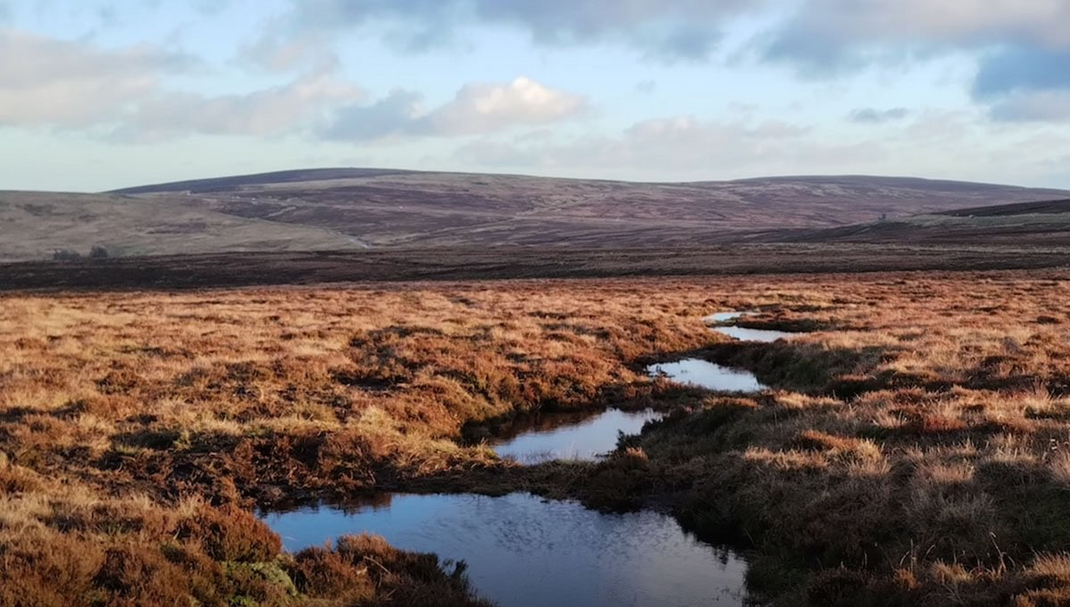
Peatlands are among the most important ecosystems on Earth. Despite covering only around 3% of the planet’s land surface, they store a significant proportion of the world's soil carbon, making them an important part of efforts to tackle climate change.
Why Peatlands Matter for Climate and Nature
In the UK, peatlands account for approximately 8.5% of the land area and include three main types: blanket bogs, raised bogs, and fens. Healthy peatlands act as powerful carbon sinks, regulate water flow, reduce flood risk and provide essential habitats for a wide range of wildlife.
However, around 80% of UK peatlands are currently degraded or in decline. Decades of drainage, overgrazing, commercial forestry, peat extraction, and burning have damaged these fragile landscapes, reducing their ability to store carbon and support biodiversity. Today, only around 20% of the UK's peatlands remain in a near-natural condition.
Recovering the Goyt Valley After Wildfire
Since March 2025, more than 30 moorland fires have been recorded across the Peak District and South Pennines. One of the most significant incidents occurred in the Goyt Valley near Buxton during April and May 2025, affecting approximately 1.74 million square metres of peatland.
Wildfires can destroy vegetation, expose peat soils, and increase erosion and carbon loss. To support recovery, sphagnum moss plugs are being planted across the affected areas. This vital peatland species retains water, encourages peat formation, and helps restore the wet conditions needed for healthy blanket bogs.
From Restoration to Climate Action
Restoring peatlands brings benefits well beyond the restoration site. By re-establishing vegetation and improving water retention, it helps slow water runoff, reduce erosion, and support natural flood management. Rewetted peatlands are also more resilient to wildfires, helping protect wildlife and stored carbon.
Most importantly, healthy peatlands lock away carbon for the long term. When peatlands become degraded, they can release significant amounts of greenhouse gases into the atmosphere. Restoration helps reverse this process, transforming damaged landscapes back into effective carbon sinks that support climate mitigation efforts.
Protecting Biodiversity for Future Generations
Blanket bogs are home to a remarkable range of wildlife and plant species. They provide important breeding and feeding habitats for birds including curlew, snipe, golden plover, dunlin, and short-eared owl, while also supporting rare insects and specialist peatland plants.
The restoration of the Goyt Valley peatlands is helping rebuild these habitats following wildfire damage, creating healthier ecosystems that can support wildlife for generations to come. By improving habitat quality and ecological resilience, peatland restoration plays an important role in tackling biodiversity decline across the UK.
Building on More Than Two Decades of Restoration
For over 22 years, Moors for the Future Partnership has been working to protect and restore the uplands of the Peak District and South Pennines. Through large-scale restoration and rewetting projects, some of Europe’s most degraded peatlands are now well on their way to recovery.
Ongoing investment is key to keeping this progress going. Healthy blanket bogs store carbon, help reduce flood risk, support biodiversity, and create space for recreation, health, and wellbeing. With climate pressures rising and wildfires becoming more common, restoring and protecting these landscapes is more important than ever.
Our Climate Action Impact So Far
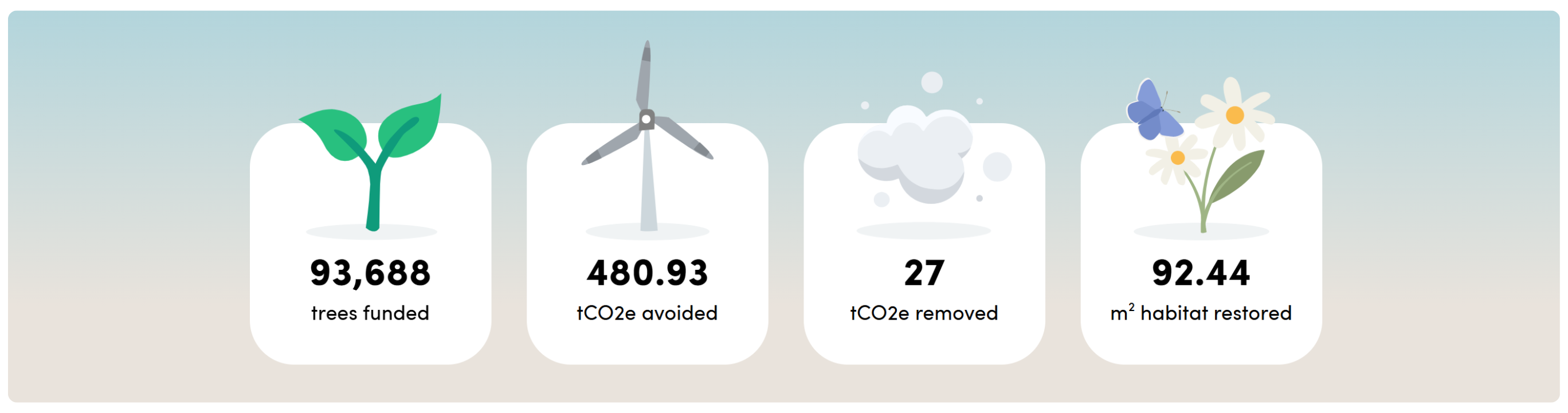
We remain committed to accelerating climate action through projects that deliver measurable environmental benefits. Through our partnership with Ecologi and continued investment in restoration initiatives, we are helping to restore critical habitats, enhance carbon sequestration, and build resilience against the impacts of climate change.
*All reported data in this blog is dated 15th June 2026
Source: Ecologi