


Where renewable energy meets Highland engineering: the story of Clunie Power Station
Renewable energy has a longer history than you might think. In this article, we explore the story of Clunie Power Station, how Highland water has been harnessed to generate electricity for more than 70 years, and how this remarkable feat of Scottish engineering continues to play a part in the renewable energy system today.

When we talk about renewable energy, it’s easy to focus on the future - new technologies, new generation and the changing energy system.
But renewable generation has a much longer history than that.
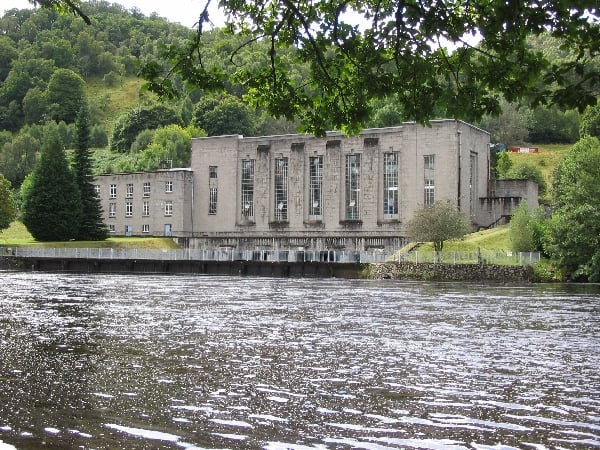
For more than 70 years, the waters of the Scottish Highlands have been helping to generate electricity through the Tummel-Garry hydro-electric scheme. At its heart is Clunie Power Station, set amongst the landscape around Loch Tummel and Loch Faskally, near Pitlochry.
And in 2025/26, hydro generation from Scotland was among the renewable sources represented in the Renewable Energy Guarantees of Origin (REGO) certificates we purchased to support the renewable electricity options we offer our customers.
So, what makes the Tummel-Garry scheme so interesting?
Turning the power of water into electricity
Hydroelectricity is one of the simplest forms of renewable generation in principle: water is moved through the system, its energy is converted into electricity by turbines, and the water continues on its journey downstream.
The Tummel-Garry scheme takes that principle and applies it on a much larger scale.
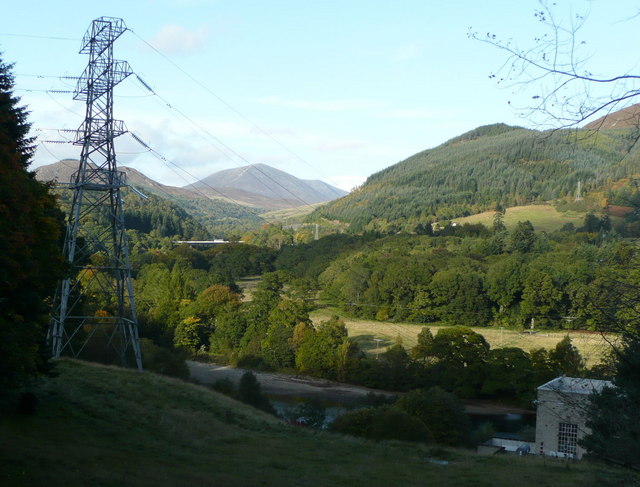
The scheme stretches across a substantial area of Perthshire, from around Dalwhinnie and the upper reaches of the catchment through to Rannoch and Pitlochry. It brings together a network of reservoirs, dams, tunnels, pipelines and power stations, using the natural changes in elevation across the landscape to generate electricity.
Clunie is one of nine power stations that make up the wider Tummel scheme. According to SSE Renewables, the station has a generating capacity of 61 MW and uses water from Loch Tummel, which is conveyed through a tunnel to the station at Loch Faskally.
It's a striking example of how the geography of the Highlands can be used to generate renewable electricity.
A piece of Scottish energy history
The story of the Tummel-Garry scheme goes back to the development of hydroelectricity in Scotland during the 20th century.
Some of the area's first major hydro stations were developed during the 1930s, including Tummel Bridge and Rannoch. The wider Tummel-Garry scheme was subsequently developed by the North of Scotland Hydro-Electric Board, with Clunie and Pitlochry among its major post-war projects.
Clunie Power Station opened in 1951 and became an important part of the interconnected hydro system.
The scheme was about more than generating electricity. The North of Scotland Hydro-Electric Board was established with a wider ambition to develop Scotland's Highlands, bringing electricity, employment and infrastructure to areas where the geography and population density had previously made electricity generation and supply challenging.
Historic Environment Scotland describes Clunie as an important component of one of the major post-war hydro-electric developments undertaken by the Board. The station's architecture and exposed-concrete design also reflect the confidence and ambition of the period.
Water, engineering and the landscape
One of the most impressive features of the Clunie system is the infrastructure hidden beneath the landscape.
Water held at Clunie Dam on Loch Tummel is conveyed through a tunnel towards Clunie Power Station. The station sits on the shore of Loch Faskally, where the water eventually continues into the wider river system.
The original construction was a significant engineering undertaking. A memorial arch at Clunie commemorates five men who lost their lives during construction of the tunnel, giving the site an important human dimension as well as its engineering significance.
The scheme also incorporated measures to manage the impact of the infrastructure on the natural environment. For example, the Clunie Dam includes a fish ladder designed to allow fish to continue moving through the river system.
It's a reminder that large-scale renewable generation has always involved finding ways to work with, rather than simply around the landscape in which it sits.
More than 70 years of renewable generation
Perhaps the most remarkable thing about Clunie is its longevity.
The station has been generating electricity for around three quarters of a century, demonstrating that renewable infrastructure can have a very long operational life when it is maintained, modernised and integrated into the wider electricity system.
Today, the Tummel Valley scheme remains part of Scotland's renewable generation fleet. SSE Renewables says the wider scheme has a combined generation capacity of hundreds of megawatts across its network of stations.
That makes Clunie more than a piece of energy history. It remains part of the UK's renewable electricity story today.
From the Highlands to businesses across Britain
For us, the story of Clunie is a useful reminder that renewable energy isn't an abstract concept.
Behind the certificates, contracts and electricity bills are real places - rivers, lochs, dams, turbines and power stations – that have been contributing to renewable generation for generations.
As part of our renewable electricity offering, we purchase Renewable Energy Guarantees of Origin (REGOs) associated with renewable generation, including hydroelectric generation in Scotland.
REGOs provide information about the renewable origin of electricity supplied to the grid. They don't mean that the electricity travelling to a particular business comes directly from a specific power station; rather, they provide a recognised way of evidencing the renewable attributes of electricity generation.
In the case of the hydro REGOs we purchased, that story leads us to the waters of the Tummel-Garry scheme - and to a remarkable piece of Scottish engineering that has been turning the power of water into electricity for more than 70 years.
It's a story that connects today's renewable energy system with the pioneering hydro projects that helped shape it.
IMAGES: Attribution: Clunie Power Station, © Russel Wills, licensed under CC BY-SA 2.0.
Discover more

Celebrating 100,000 trees planted in our climate action journey

Earth Day 2026: Powering Climate Action with Ecologi
